
Staying active is one of the most effective ways to enhance overall health and well-being. Exercise and fitness are crucial not only for boosting physical strength but also for improving mental clarity and emotional stability.
Regular physical activity—such as engaging in 150 minutes of moderate exercise each week or applying sports medicine principles—plays a significant role in promoting bone health and increasing longevity. The key to success is discovering the right balance of activities that align with your body and lifestyle, ensuring lasting benefits for both your physical and mental health.
Are you ready to discover how? Let’s explore the journey to achieving optimal fitness.
Read More About Exercise and Fitness for Health Optimization
Understanding Exercise and Fitness
Regular physical activity is essential for maintaining overall health and well-being. Physical exercise involves any bodily movement that enhances or sustains physical fitness and overall health.
Fitness level refers to the body’s capacity to perform physical tasks and manage daily activities with energy and alertness. Engaging in consistent physical exercise helps improve your fitness level, resulting in a wide range of health benefits, including a reduced risk of chronic conditions such as heart disease, diabetes, and obesity.
Exercise also supports weight management, strengthens muscles and bones, boosts mental health, and enhances overall quality of life. Fitness extends beyond physical health, encompassing emotional well-being and social connections as well.
Importance of Exercise and Fitness for Health
Improving your overall health and well-being through exercise and fitness is essential for maintaining a high quality of life. Regular physical activity not only enhances your physical fitness but also offers a wide range of health benefits.
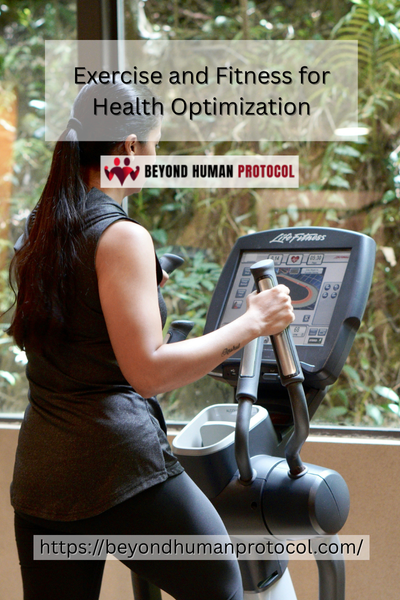
Incorporating cardiorespiratory exercises, such as running, swimming, or cycling, into your routine strengthens your heart and lungs, improving your body’s ability to efficiently deliver oxygen and nutrients to your muscles.
Maintaining a good level of physical fitness helps reduce the risk of chronic conditions like heart disease, diabetes, and obesity. It also strengthens muscles and bones, boosts mental health, and enhances overall well-being.
Making time for regular exercise not only benefits your physical health but also positively impacts your mental and emotional state, reducing stress and promoting a sense of well-being. Prioritizing fitness in your daily life is a crucial step toward optimizing your health and longevity.
More Things to Know About Exercise and Fitness for Health Optimization
Types of Exercise
Let’s explore the different types of exercises that can help you achieve your fitness goals.
From heart-pumping aerobic exercises to muscle-strengthening anaerobic exercises, there are options for everyone.
Don’t forget the importance of flexibility and balance exercises to round out your workout routine.
Aerobic Exercises
To maximize the health benefits of your fitness routine, it’s essential to include a variety of aerobic exercises. Also known as cardiovascular exercises, these activities are key to improving cardiovascular health and boosting overall physical activity. Here are four types of aerobic exercises to consider:
1. Running: Feel the wind as you run, increasing your heart rate and strengthening your cardiovascular system.
2. Swimming: Dive into the pool and experience the freedom of water, engaging every muscle to improve endurance and support heart health.
3. Cycling: Pedal through scenic routes, enjoying the fresh air while boosting your lung capacity and lowering the risk of heart disease.
4. Dancing: Let loose and move to the rhythm of your favorite tunes, burning calories, relieving stress, and promoting better circulation.
Incorporating these varied aerobic exercises into your routine will not only keep your workouts fun but also help you achieve optimal health and fitness.
Anaerobic Exercises
Consider adding anaerobic exercises to your fitness routine to enhance your physical strength and endurance. Anaerobic exercises, such as resistance training, are essential for improving muscle function and overall fitness. While aerobic exercises focus on endurance and cardiovascular health, anaerobic exercises are designed to build strength and power.
Resistance training, a popular form of anaerobic exercise, involves using external resistance to challenge your muscles. This can include weightlifting, bodyweight exercises, or resistance bands. By incorporating resistance training into your routine, you can increase muscle mass, improve bone density, and boost your metabolism.
Anaerobic exercises are intense and short in duration, requiring high levels of energy. These exercises target fast-twitch muscle fibers, which are crucial for explosive movements. Including anaerobic exercises in your workout can significantly improve strength, speed, and athletic performance.
By combining anaerobic exercises with aerobic activities, you can create a well-rounded fitness regimen that builds both endurance and strength, optimizing your health and overall performance.
Flexibility Exercises
Shifting focus from anaerobic exercises, it’s equally important to incorporate flexibility exercises into a well-rounded fitness routine.
Flexibility exercises, such as stretching, are essential for maintaining and improving your range of motion. By including these exercises in your workout, you can enhance your physical performance and lower the risk of injuries.
Flexibility exercises help keep your muscles and joints flexible, allowing for a wider range of motion in everyday activities and during other types of exercise. These stretches can target specific muscle groups or work multiple areas at once, promoting better flexibility and mobility throughout your body.
Adding flexibility exercises to your routine can improve posture, alleviate muscle tension, and promote relaxation. Regular stretching can also prevent muscle imbalances and boost athletic performance. Make sure to allocate time for stretching in your workouts to fully enjoy the benefits of increased flexibility.
Balance Exercises
For a well-rounded fitness regimen that enhances overall health and performance, incorporating balance exercises is essential. Balance exercises play a key role in improving stability, coordination, and muscle strength. These activities focus on strengthening your ability to control and maintain your body’s position, which is important for daily tasks and injury prevention. Including balance exercises in your routine can complement your strength training and enhance your athletic performance.
Common balance exercises include single-leg stands, heel-to-toe walks, and balance board exercises. These exercises engage your core muscles and improve proprioception, which is your body’s awareness of its position in space. By consistently practicing these exercises, you can enhance your balance, lower the risk of falls, and improve your functional fitness.
Adding balance exercises to your workout routine will not only boost your physical health but also contribute to your overall well-being. Don’t forget to incorporate balance exercises for a complete and effective fitness program.
Benefits of Regular Exercise
Regular exercise offers numerous benefits for both your physical and mental well-being. It can improve your overall health, boost your mood, and reduce stress levels.
Engaging in regular physical activity has been linked to increased longevity and a slower aging process.
Physical Health Benefits
Improving your physical health through regular exercise is essential for overall well-being. Engaging in physical activity offers a wide range of benefits for your body.
The advantages of exercise for physical health are numerous. Regular exercise enhances cardiovascular health by strengthening the heart and lowering the risk of heart disease. It also helps maintain a healthy weight, boosts metabolism, and improves muscle strength and endurance.
Exercise is crucial for boosting your immune system, making you more resistant to illnesses. It promotes better circulation, ensuring efficient delivery of oxygen and nutrients to your cells. Additionally, exercise plays a key role in reducing the risk of chronic conditions such as diabetes, high blood pressure, and obesity.
Mental Health Benefits
Improving your mental well-being is another key benefit of incorporating regular exercise into your routine. Physical activity has a profound impact on mental health, helping to reduce symptoms of depression and anxiety. Exercise stimulates the release of endorphins, often called “feel-good” hormones, which can help lift your mood and alleviate feelings of sadness.
Regular exercise not only benefits your body but also enhances your energy levels and cognitive function. Physical activity triggers the release of chemicals in the brain that boost memory, focus, and mental clarity, helping you stay alert and productive throughout the day.
Exercise also serves as a powerful stress reliever, providing a healthy way to manage daily pressures and improve your overall sense of well-being.
Longevity and Aging
For individuals seeking to prolong their lifespan and maintain vibrancy as they age, incorporating exercise into your routine is an vital component. Regular exercise has been linked to increased longevity and improved aging outcomes. Engaging in physical activity helps to combat the natural decline in muscle mass and bone density that often occurs with aging.
By staying active, you can also reduce the risk of chronic diseases such as heart disease, diabetes, and osteoporosis, which can greatly impact longevity.
Exercise plays a pivotal role in maintaining cognitive function as you age, helping to reduce the risk of conditions like dementia and Alzheimer’s disease. Physical activity promotes the release of endorphins, which can improve mood and overall well-being, contributing to a higher quality of life as you grow older.
Staying active can improve balance, flexibility, and mobility, reducing the likelihood of falls and injuries that can be more harmful in older age. Incorporating regular exercise into your routine is a potent tool for promoting longevity and healthy aging.
Exercise and Chronic Disease Prevention
When it comes to chronic disease prevention, exercise plays an vital role in maintaining your overall health. Regular physical activity has been shown to reduce the risk of heart disease, diabetes, and certain types of cancer. By incorporating exercise into your routine, you can greatly improve your chances of preventing these serious health conditions.
Exercise and Heart Disease
Regular physical activity plays an vital role in preventing heart disease and promoting overall health. Engaging in regular exercise helps reduce the risk of heart disease and other cardiovascular diseases. Exercise strengthens the heart muscle, improves blood circulation, and helps maintain healthy blood pressure levels, all of which are vital for heart health.
By incorporating activities like brisk walking, jogging, cycling, or swimming into your routine, you can significantly lower your chances of developing heart-related issues.
Exercise aids in maintaining a healthy weight, which is another key factor in reducing the risk of heart disease. Being overweight or obese can increase the strain on your heart and raise your risk of cardiovascular problems. Regular physical activity not only helps in weight management but also lowers LDL (bad) cholesterol levels and increases HDL (good) cholesterol, further protecting your heart.
Incorporating at least 150 minutes of moderate-intensity exercise per week can greatly benefit your heart health and overall well-being. So lace up your sneakers and get moving to keep your heart strong and healthy.
Exercise and Diabetes
Engaging in physical activity is vital for managing diabetes and preventing complications. Diabetes is a chronic condition that affects how your body handles blood sugar. Regular exercise can help lower blood sugar levels and improve insulin sensitivity, reducing the risk of developing complications associated with diabetes.
Physical activity also plays an important role in preventing the onset of type 2 diabetes, which is often linked to lifestyle factors such as lack of exercise and poor diet choices.
Exercise helps control weight, lower blood pressure, and improve heart health, all of which are significant for managing diabetes. By incorporating a combination of aerobic exercises like walking or cycling, strength training, and flexibility exercises into your routine, you can better manage your diabetes and reduce the health risks associated with the disease.
Exercise and Cancer
Exercise plays a crucial role in chronic disease prevention, particularly in the context of cancer. Regular physical activity can greatly reduce the risk of developing different types of cancer, including breast, colon, and lung cancer. Engaging in exercise helps maintain a healthy weight, boosts the immune system, and reduces inflammation, all of which are vital factors in cancer prevention.
Studies have shown that individuals who exercise regularly have a lower risk of developing cancer compared to those who lead sedentary lifestyles. Physical activity not only reduces the likelihood of cancer but also improves outcomes for cancer survivors. Exercise can help manage side effects of cancer treatments, improve quality of life, and diminish the risk of cancer recurrence.
Incorporating both aerobic exercises like walking or jogging and strength training into your routine can have a significant impact on cancer prevention. Aim for at least 150 minutes of moderate-intensity exercise per week to reap the full benefits of physical activity in reducing your cancer risk.
Start small and gradually increase the duration and intensity of your workouts to make exercise a sustainable part of your lifestyle. Remember, every step you take towards staying active contributes to your overall well-being and cancer prevention.
Fitness and Weight Management
Exercise not only aids in weight loss but also helps in maintaining a healthy weight over time.
Exercise can positively impact metabolism, contributing to overall health and well-being.
Role of Exercise in Weight Loss
When looking to achieve weight loss goals, incorporating regular physical activity plays an important role in maintaining a healthy weight. Engaging in a regular exercise program is key to achieving weight loss as it helps you burn calories and build lean muscle mass. By incorporating activities like cardio and strength training into your routine, you can effectively reduce your risk of obesity and other weight-related health issues.
Regular exercise not only aids in burning calories during the workout but also boosts your metabolism, helping you burn more calories throughout the day.
Physical activity can improve your overall health and well-being, making it easier to stick to a healthy eating plan and achieve sustainable weight loss. Remember, consistency is key when it comes to weight loss, so finding activities you enjoy and making them a regular part of your routine can greatly improve your chances of success.
Role of Exercise in Weight Maintenance
To effectively maintain a healthy weight and optimize your fitness levels, incorporating physical activity into your routine is vital. Exercise plays a pivotal role in weight maintenance by helping you burn calories, build muscle mass, and boost your metabolism. Regular physical activity not only helps you prevent weight gain but also supports long-term weight management.
Engaging in a combination of aerobic exercises like running, cycling, or swimming, along with strength training activities such as weightlifting or bodyweight exercises, can help you maintain a healthy weight. By incorporating a variety of exercises into your routine, you can target different muscle groups, improve your overall fitness, and support weight maintenance.
Exercise not only contributes to weight management but also offers numerous health benefits, including improved cardiovascular health, better mood regulation, and increased energy levels. By making exercise a consistent part of your lifestyle, you can improve your overall well-being and support your weight maintenance goals.
Exercise and Metabolism
Enhancing your metabolism through exercise is an vital factor in achieving peak fitness and managing your weight effectively. Exercise plays a vital role in regulating metabolism, the process by which your body converts food and oxygen into energy. By engaging in regular physical activity, you can increase your metabolic rate, allowing your body to burn calories more efficiently even at rest. This can help you maintain a healthy weight and improve your overall energy level.
Exercise testing is a valuable tool used to assess how your body responds to physical activity and measure your metabolic rate. Understanding your metabolism through these tests can guide you in developing personalized exercise routines that target your specific needs and goals.
Exercise and Nutrition
When it comes to optimizing your health through exercise, understanding the significance of nutrition plays a pivotal role.
Fueling your body with the right nutrients before and after workouts can improve performance and aid in recovery.
Staying hydrated is vital for maintaining peak exercise levels and overall well-being.
Importance of Nutrition in Exercise
Optimizing your exercise routine involves more than just physical activity; the fuel you provide your body matters just as much. Nutrition plays a pivotal role in your exercise regimen, impacting your overall health and fitness levels. When you fuel your body with the right nutrients, you improve your performance during exercise and promote better health outcomes.
Exercise and nutrition go hand in hand to support your fitness goals. Proper nutrition provides the energy needed for workouts, ensuring that you can push through challenging routines and recover effectively. By consuming a well-balanced diet rich in vital nutrients like carbohydrates, proteins, fats, vitamins, and minerals, you can optimize your exercise results and support your overall health.
Nutrition plays a significant role in muscle recovery and growth after exercise. Consuming the right nutrients post-workout helps replenish glycogen stores, repair muscle tissues, and improve recovery, allowing you to bounce back quicker and perform better in subsequent workouts.
Pre and Post Workout Nutrition
For effective exercise performance and best recovery, paying attention to your pre and post-workout nutrition is vital.
Prior to your workout, focus on consuming a balanced meal that includes carbohydrates for energy and protein for muscle repair. Foods like whole grains, lean proteins, and fruits are excellent choices. If you’re short on time, an energy bar can be a convenient option.
During your workout, especially when engaging in exercise with resistance training, your body needs fuel to perform at its best.
Post-exercise, refuel with a combination of protein and carbohydrates to aid in muscle recovery and replenish glycogen stores. This can be achieved through a protein shake, a meal with lean protein and healthy carbs, or even chocolate milk.
Hydration and Exercise
To maximize your exercise performance and overall health, proper hydration is vital. Hydration plays an important role in supporting your body during physical activity.
When you exercise, especially in intense or prolonged sessions, your body loses water through sweat. It’s important to replenish this lost fluid to maintain peak performance and prevent dehydration.
During exercise, aim to drink water regularly to stay hydrated. The amount of water needed varies depending on factors like the intensity of your workout and environmental conditions.
Sipping water throughout your exercise session and staying hydrated before and after can help support your body’s performance and recovery.
Dehydration can lead to fatigue, muscle cramps, and decreased exercise capacity, hindering your overall fitness goals. By prioritizing hydration and ensuring you drink enough water before, during, and after physical activity, you can optimize your exercise performance and support your body in reaching its full potential.
Stay mindful of your hydration levels to keep your body functioning at its best during exercise.
Creating an Effective Exercise Routine
Assess your fitness level and set clear goals to guide your exercise routine. Developing a balanced plan that includes cardio, strength training, and flexibility exercises is vital for overall health.
Don’t let barriers like lack of time or motivation derail your progress; find solutions to stay consistent and committed to your fitness journey.
Assessing Fitness Level
Determining your current fitness level is crucial for developing an effective exercise routine that aligns with your goals and abilities. Evaluating your fitness level involves understanding where you stand regarding endurance, strength, flexibility, and overall health.
To evaluate your fitness level accurately, consider factors such as your cardiovascular endurance, muscular strength, flexibility, and body composition. It’s important to gauge your fitness level against established physical activity guidelines to ensure you’re meeting the recommended standards for health and well-being.
To gauge your cardiovascular fitness, you can engage in activities like walking, running, or cycling to see how long you can sustain moderate to vigorous intensity exercise. Testing your muscular strength can involve exercises like push-ups, squats, or lifting weights to determine your strength levels. Evaluating flexibility can be done through stretches to see how well you can move your joints through their full range of motion.
Understanding your current fitness level will help you tailor an exercise routine that challenges you appropriately and helps you progress towards your fitness goals.
Setting Fitness Goals
Understanding your current fitness level sets the foundation for crafting a successful exercise routine tailored to your needs. To optimize your exercise and achieve the best results, begin by setting specific fitness goals. Setting goals helps you stay focused, motivated, and accountable throughout your fitness journey.
Whether your aim is to increase strength, improve endurance, lose weight, or improve flexibility, clearly defined goals provide direction and purpose to your workouts.
When setting fitness goals, make sure they’re SMART: Specific, Measurable, Achievable, Relevant, and Time-bound.
For example, rather than stating a vague goal like “I want to get fit,” a SMART goal would be “I aim to run a 5k in under 30 minutes within the next three months.” This specific goal gives you a clear target to work towards and allows you to track your progress effectively.
Developing a Balanced Routine
To create an effective exercise routine that promotes overall health and fitness, focus on incorporating a variety of exercises that target different muscle groups and fitness components. By engaging in regular physical activity that includes cardiovascular exercises, strength training, flexibility work, and balance exercises, you can improve your health outcomes and improve your quality of life.
For cardiovascular health, include activities like running, swimming, or cycling to boost your heart rate and improve endurance.
Strength training exercises such as weightlifting or bodyweight exercises help build muscles and increase metabolism.
Incorporating flexibility exercises like yoga or stretching routines can improve your range of motion and prevent injuries.
Balance exercises, such as Tai Chi or stability exercises, can help prevent falls and improve overall stability.
Overcoming Barriers to Exercise
Shifting from developing a balanced exercise routine to actually implementing it can be challenging due to different barriers that may hinder your progress. Overcoming these obstacles is vital for health optimization and reaping the benefits of physical activity.
One common obstacle is lack of time. To combat this, try scheduling exercise into your daily routine, even if it’s just for a short duration.
Another barrier is lack of motivation. Find activities you enjoy, set realistic goals, and track your progress to stay motivated.
Financial constraints can also be a hindrance, but remember that exercise doesn’t have to be expensive – simple activities like walking or bodyweight exercises can be just as effective.
Fear of judgment from others may hold you back. Remember that everyone starts somewhere, and focusing on your own journey is what matters.
Safety Measures in Exercise
When it comes to exercise, safety should always be a top priority. Remember to start with a proper warm-up and end with a cool-down to prevent injuries. Focus on using the correct techniques to maximize effectiveness and minimize the risk of harm.
Warm-up and Cool-down Importance
Before engaging in any physical activity, it’s important to understand the crucial role that warm-up and cool-down routines play in ensuring safety during exercise.
The warm-up phase helps prepare your body for the upcoming workout by gradually increasing your heart rate, loosening muscles, and enhancing flexibility. It also helps mentally prepare you for the physical exertion ahead. Skipping the warm-up can increase the risk of injury and reduce workout performance.
On the other hand, the cool-down phase is vital for gradually bringing your heart rate and breathing back to normal, preventing dizziness or fainting. It also helps in reducing muscle soreness and stiffness post-workout. Neglecting the cool-down can lead to blood pooling in the extremities and potential muscle cramps.
Proper Exercise Techniques
To ensure your safety and maximize the benefits of your exercise routine, mastering proper exercise methods is vital. Proper exercise methods not only help prevent injuries but also guarantee that you’re targeting the correct muscle groups effectively. Remember to focus on maintaining good posture, breathing correctly, and using the appropriate amount of resistance. This won’t only improve your performance but also decrease the risk of strains or sprains.
Muscle recovery is another vital aspect to think about. Allow your muscles time to rest and rebuild after each workout. Including rest days into your routine is important for preventing overtraining and promoting muscle growth.
Lastly, consistency is key. Make a commitment to your exercise schedule and aim to practice proper methods each time you work out. By dedicating time to perfecting your posture and technique, you’ll see better results and reduce the likelihood of setbacks. Remember, it’s not just about the quantity of exercise but the quality as well.
Recognizing and Preventing Exercise Injuries
One vital aspect of maintaining a safe and effective exercise routine is being able to recognize and prevent potential injuries. Understanding the risk of injury associated with exercise is pivotal for your overall well-being. While exercise is beneficial for improving health and preventing chronic diseases, it’s important to approach it with caution to avoid injuries that could set you back in your fitness journey.
To prevent exercise-related injuries, start by ensuring you use proper form and technique during your workouts. This will help reduce the strain on your muscles and joints, lowering the likelihood of getting hurt. Gradually increase the intensity and duration of your workouts to give your body time to adapt and prevent overuse injuries.
Listen to your body and don’t push through pain – it’s a signal that something is wrong. Finally, always warm up before exercising and cool down afterward to prepare your muscles and prevent strains or sprains. By taking these precautions, you can exercise safely and reap the many benefits it offers for your health.
Role of Technology in Exercise and Fitness
You can leverage technology to improve your fitness journey with fitness trackers and apps that monitor your progress and encourage you to stay active. Online fitness programs offer convenience and flexibility, allowing you to access workouts anytime, anywhere. Virtual reality can make exercise more engaging and immersive, turning your workouts into an enjoyable experience.
Online Fitness Programs
Integrating online fitness programs into your routine can revolutionize the way you approach exercise and fitness. These programs offer a convenient and flexible way to access a wide range of exercise interventions and fitness classes from the comfort of your own home. With online fitness programs, you have the opportunity to choose from different workout styles, instructors, and durations to tailor your fitness routine to suit your preferences and goals.
Whether you’re a beginner looking to kickstart your fitness journey or a seasoned athlete seeking new challenges, online fitness programs cater to individuals of all fitness levels.
The flexibility of scheduling workouts at your convenience eliminates the barriers of time and location, making it easier to stay consistent with your exercise routine. Many online fitness programs provide interactive features such as live classes or forums, allowing you to connect with instructors and fellow participants for added motivation and support.
Virtual Reality and Fitness
Amidst the ever-evolving landscape of exercise and fitness, the integration of virtual reality technology is reshaping the way individuals engage with their physical health. Virtual reality (VR) offers a unique solution to combat physical inactivity by providing immersive and interactive experiences that make exercise training more engaging and enjoyable.
With VR fitness programs, users can escape the monotony of traditional workouts and explore virtual worlds while breaking a sweat. This innovative approach to fitness not only addresses the issue of physical inactivity but also improves the effectiveness of exercise training.
By immersing yourself in virtual environments designed for fitness, you can push your limits, track your progress, and stay motivated to achieve your fitness goals. VR fitness games and simulations offer a fun way to improve cardiovascular endurance, strength, and overall fitness levels.
Embracing virtual reality as a tool for fitness can revolutionize the way you approach exercise, making it a more dynamic and engaging experience that promotes overall health and wellness.
Frequently Asked Questions
Can Exercise Help Improve Mental Health and Reduce Stress?
Yes, exercise can greatly improve mental health and reduce stress. It boosts endorphins, reduces cortisol levels, improves mood, and promotes better sleep. Regular physical activity is a proven way to manage stress and improve your overall well-being.
Is There an Optimal Time of Day to Exercise for Maximum Benefits?
For maximum benefits, you should consider your daily routine and energy levels when choosing when to exercise. Find a time that works best for you, whether it’s early morning, during lunch, or in the evening.
How Can Exercise Impact Sleep Quality and Duration?
Exercise can positively affect sleep quality and duration by promoting deeper rest, reducing stress levels, and regulating circadian rhythms. Consistent physical activity can help you fall asleep faster, enjoy better sleep, and wake up feeling refreshed.
What Role Does Hydration Play in Exercise Performance?
Staying hydrated is important for exercise performance. Water helps regulate body temperature, transport nutrients, and remove waste. Dehydration can lead to fatigue, cramps, and decreased endurance. Remember to drink water before, during, and after your workout.
Are There Specific Exercises Recommended for Different Age Groups?
For different age groups, specific exercises are recommended to cater to varying needs. Younger individuals might focus on agility and coordination, while older adults benefit from exercises that improve balance and strength to maintain overall health and mobility.